
Health Benefits of Desi Ghee have been cherished in Indian homes for generations, often experienced first through the comforting aroma of ghee melting over a warm roti. Beyond its rich taste, families have long valued it for its nourishing effects on the body. However, over time, ghee developed an unfair reputation, with many people labeling it as fattening or harmful to heart health — leading some to avoid this traditional superfood altogether.
But here’s the truth: modern science is now catching up to what our grandmothers already knew. The desi ghee benefits are real, well-researched, and honestly, pretty remarkable. Let’s break them down — no jargon, no fluff.
Why Desi Ghee Is More Than Just a Cooking Fat
Before we get into the benefits, it’s worth understanding what makes desi ghee different from regular butter or refined oils. Traditional desi ghee — especially cow ghee — is made through a slow clarification process that removes water and milk solids. What’s left behind is a golden, nutrient-dense fat that’s rich in fat-soluble vitamins, butyric acid, and conjugated linoleic acid (CLA).
Also read: Benefits of Eating Pure Desi Ghee Daily
That’s a very different thing from the processed fats sitting on supermarket shelves.
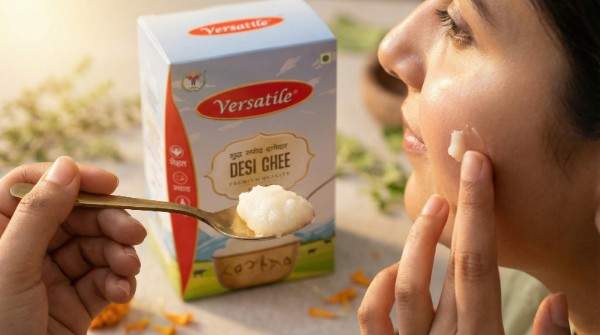
1. It Supports Better Digestion– health benefits of desi ghee
One of the most well-known health benefits of desi ghee is how gently it works on your gut. Ghee is one of the richest natural food sources of butyric acid — a short-chain fatty acid that literally feeds the cells lining your intestines.
If you’ve been dealing with bloating, constipation, or an irritable gut, a teaspoon of ghee in warm water or on your meals might genuinely help. Ayurveda has recommended this for centuries, and modern gastroenterology is now confirming the connection between butyrate and a healthy colon.
2. Desi Ghee Benefits for Immunity Are Underrated
Most people don’t link ghee to immunity — but they should. Ghee benefits for immunity come from its rich content of antioxidants and fat-soluble vitamins like A, D, E, and K. These vitamins play a direct role in how your immune system responds to infections and inflammation.
Vitamin A, in particular, is crucial for maintaining the integrity of your mucosal barriers — basically your body’s first line of defense against viruses and bacteria. And ghee is one of the easiest ways to get it through food.
3. Is Desi Ghee Good for Weight Loss? Here’s the Honest Answer
This is probably the most common question people ask — is desi ghee good for weight loss? — and the answer is more nuanced than a simple yes or no.
Ghee contains CLA, which studies suggest may help reduce body fat, particularly around the abdomen. It also has a high smoke point, which means it doesn’t break down into harmful compounds when heated — unlike many vegetable oils that turn toxic at cooking temperatures.
More importantly, the healthy fats in ghee keep you satiated for longer. When you feel full, you naturally eat less. So no — ghee in moderation isn’t your enemy. It’s the overconsumption of refined carbs alongside ghee that causes weight gain, not the ghee itself.
Also read: How to Identify Pure Ghee
4. Benefits of Ghee on Empty Stomach — A Morning Ritual Worth Trying
You’ve probably heard about taking ghee on an empty stomach first thing in the morning. This Ayurvedic practice has been gaining traction even in wellness circles outside India, and for good reason.
Health Benefits of Desi Ghee
Consuming a teaspoon of warm desi ghee before breakfast is said to:
- Lubricate the digestive tract
- Stimulate the liver to produce bile
- Flush out toxins accumulated overnight
- Give your body a slow-burning energy source before the day begins
Many people who follow this practice report fewer cravings, better bowel regularity, and improved energy levels. It’s worth trying for at least a few weeks before writing it off.
5. Desi Ghee Benefits for Skin Are Real
If you’ve been spending money on expensive moisturizers, you might want to look in your kitchen first. The desi ghee benefits for skin have been acknowledged in Ayurveda for thousands of years.
Ghee is deeply hydrating and contains essential fatty acids that help repair and nourish the skin barrier. Applied topically, it can soothe dry patches, cracked heels, and chapped lips. Consumed regularly, its vitamin E content supports skin elasticity and a natural glow from within.
How to Use health benefositgs Ghee for Skin:
- Apply a small amount to dry skin before bed
- Use it on chapped lips as a natural balm
- Mix with turmeric for a traditional face pack
6. It’s Good for Your Heart — When Used Wisely
Here’s where it gets interesting. For decades, ghee was blamed for heart disease because of its saturated fat content. But newer research paints a more balanced picture.
The pure ghee benefits for cardiovascular health come from its CLA content and the presence of omega-3 fatty acids, which actually help reduce inflammation — a root cause of heart disease. Studies conducted in rural India found that communities consuming moderate amounts of ghee had lower rates of cardiovascular issues compared to those who had switched entirely to refined oils.
The key word here is moderation — 1 to 2 teaspoons a day is where the benefits lie.
7. Benefits of Cow Ghee for Bone Health
The benefits of cow ghee extend to your skeletal system as well. Because it’s rich in Vitamin K2 and Vitamin D, regular consumption of cow ghee helps your body absorb calcium more effectively — which is essential for maintaining bone density.
This is particularly relevant for women post-menopause and older adults who are at higher risk of osteoporosis. Instead of relying solely on calcium supplements, incorporating ghee into a balanced diet gives your bones the cofactors they need to actually use that calcium.
8. It Supports Brain Function and Mental Clarity
Your brain is made up of nearly 60% fat. It quite literally needs healthy fats to function well. The Health Benefits of Desi Ghee include nourishing the nervous system, improving focus, and supporting memory.
In Ayurveda, ghee is considered one of the best foods for the brain — called a medhya food, meaning it enhances intellect. While we shouldn’t dismiss ancient wisdom as mere folklore, modern neuroscience also supports the idea that dietary fat quality impacts cognitive performance. The fat-soluble vitamins in ghee, particularly A and D, are essential for neurological health.
9. It Has a High Smoke Point — Making It the Safer Cooking Fat
This benefit is often overlooked but matters a lot. Most vegetable oils — sunflower, canola, even olive oil — break down at high temperatures, releasing harmful free radicals and trans fats. Desi ghee has a smoke point of around 250°C, making it one of the most stable fats for Indian-style cooking that involves high heat.
This means when you’re tempering spices or making a sabzi, ghee isn’t just adding flavor — it’s actually the healthier choice compared to refined oils.
10. Health Benefits of Desi Ghee Include Hormonal Balance
Few people associate ghee with hormones, but this connection is worth paying attention to. Healthy fats are the raw material from which the body manufactures hormones — including estrogen, testosterone, and cortisol.
Chronic low-fat diets have been linked to hormonal imbalances, irregular cycles in women, and mood disturbances. Adding ghee back into your diet gives your body the building blocks it needs to regulate hormone production more effectively.
How Much Desi Ghee Should You Eat Daily?
There’s no one-size-fits-all answer, but for most healthy adults, 1 to 2 teaspoons per day is a safe and beneficial range. If you’re using it for cooking, that naturally factors into your daily intake.
People with existing heart conditions or high cholesterol should consult a doctor before making significant dietary changes.
Final Thoughts
Desi ghee isn’t a miracle cure — but it’s also not the villain it was made out to be. The Health Benefits of Desi Ghee span digestion, immunity, skin, brain health, hormonal balance, and more. The key is choosing high-quality, traditionally made pure ghee — ideally from grass-fed cows — and consuming it as part of a balanced, whole-food diet.